Commercial Roofing
Commercial roofs up to 3,000m².
Specialist commercial re-roofing for property owners and property managers who need clear scope, careful project planning and accountable delivery.
What commercial owners need to know
The roofing issue you can see isn’t always the whole problem.
Explore the common risks that should be understood before commercial roofing work is scoped, priced or started.
A leak is often the symptom, not the cause.
Water can enter in one location and appear somewhere completely different. The priority is identifying why water is getting in before deciding on the solution.
The question isn’t simply how old the roof is—it’s how the roofing system is performing.
Roof sheets, fixings, flashings, penetrations and drainage age differently. Understanding their condition helps determine whether continued maintenance or replacement makes better commercial sense.
You can’t make a good roofing decision without knowing what you actually have.
A proper roof assessment creates a clear picture of its current condition, areas of deterioration and what should be planned for next.
A commercial re-roof needs to work around the business below it.
Tenants, customers, operating hours, weather and site access should be considered before work begins—not dealt with once the project is underway.
The roof is only one part of the project.
Access, scaffolding, material deliveries, other trades, safety requirements and staging all need to work together so the project can progress efficiently.
The lowest quote means very little if the quotes don’t include the same work.
A clear scope identifies the roofing system, materials, flashings, drainage, penetrations and other requirements so building owners can compare proposals on a genuine like-for-like basis.
Some of the most important roofing conditions aren’t visible until the existing roof is opened.
Purlins, substrate, underlay and previous alterations can affect the final solution. Identifying and allowing for these risks reduces surprises once work begins.
Source note: NZMRM re-roofing guidance addresses inspection of the existing roof and situations where changes in material or profile can affect purlin spacing and wind-load requirements.
A commercial roof should come with a record—not just an invoice.
Specifications, product information, warranties and completion records give owners and property managers a clear history of what was installed and how the roofing system should be maintained.
Source note: COLORSTEEL recommends obtaining warranty documentation and a Certificate of Authenticity after completion.
The relationship shouldn’t finish when the last sheet goes down.
Building owners should know who stands behind the workmanship, what is covered and what maintenance is required to protect the roofing system over its service life. Manufacturer warranties can also carry ongoing maintenance requirements.
Who YAHD commercial is for
Built around commercial decision-makers.
Commercial property owners
Owners protecting the value and weathertightness of a commercial asset.
Property managers
Managers who need documented condition, defined scope and a contractor who communicates.
Commercial decision-makers
Anyone responsible for approving, budgeting or coordinating roofing works.
The commercial roofing problem
Most commercial roofing risk is simply unknown.
The practical concerns on a commercial roof are rarely dramatic. They are usually about what hasn't been documented, planned or agreed before the work starts.
Water ingress
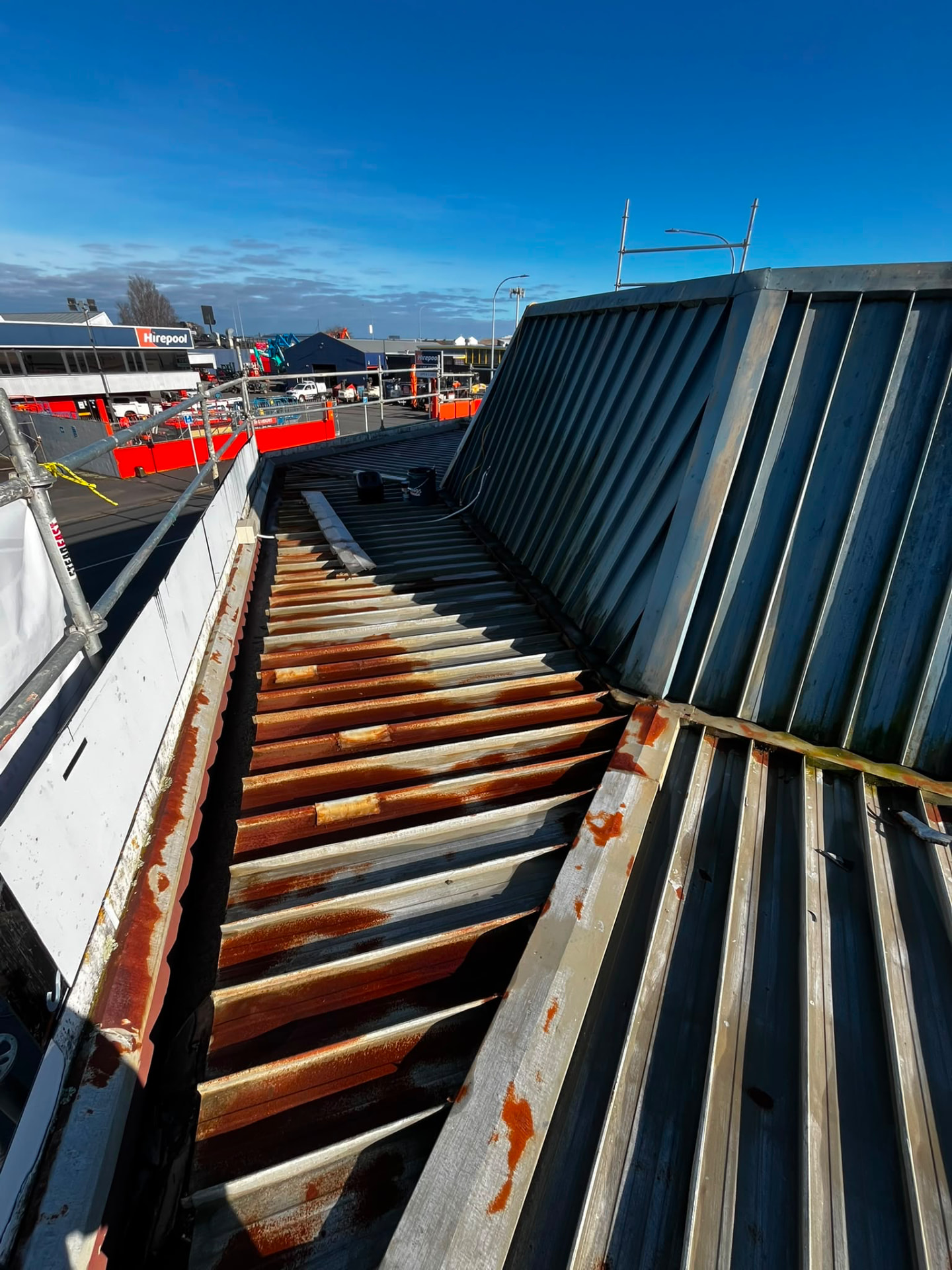
Leaks that are difficult to trace and disruptive to tenants or operations.
Ageing roofing systems
Roofs approaching the end of service life with rising repair frequency.
Uncertain roof condition
No current record of what the roof is actually doing.
Disruption
Concern about occupants, trading hours or production during the works.
Project coordination
Access, staging, other trades and site logistics.
Unclear scope
Quotes that don't describe the same work, making comparison impossible.
Unknown existing conditions
What sits beneath the roof: substrate, purlins and previous repairs.
Documentation
Evidence and records needed for owners, boards or tenants.
Accountability
Knowing who stands behind the workmanship after completion.
On site
Structure, height and scale.
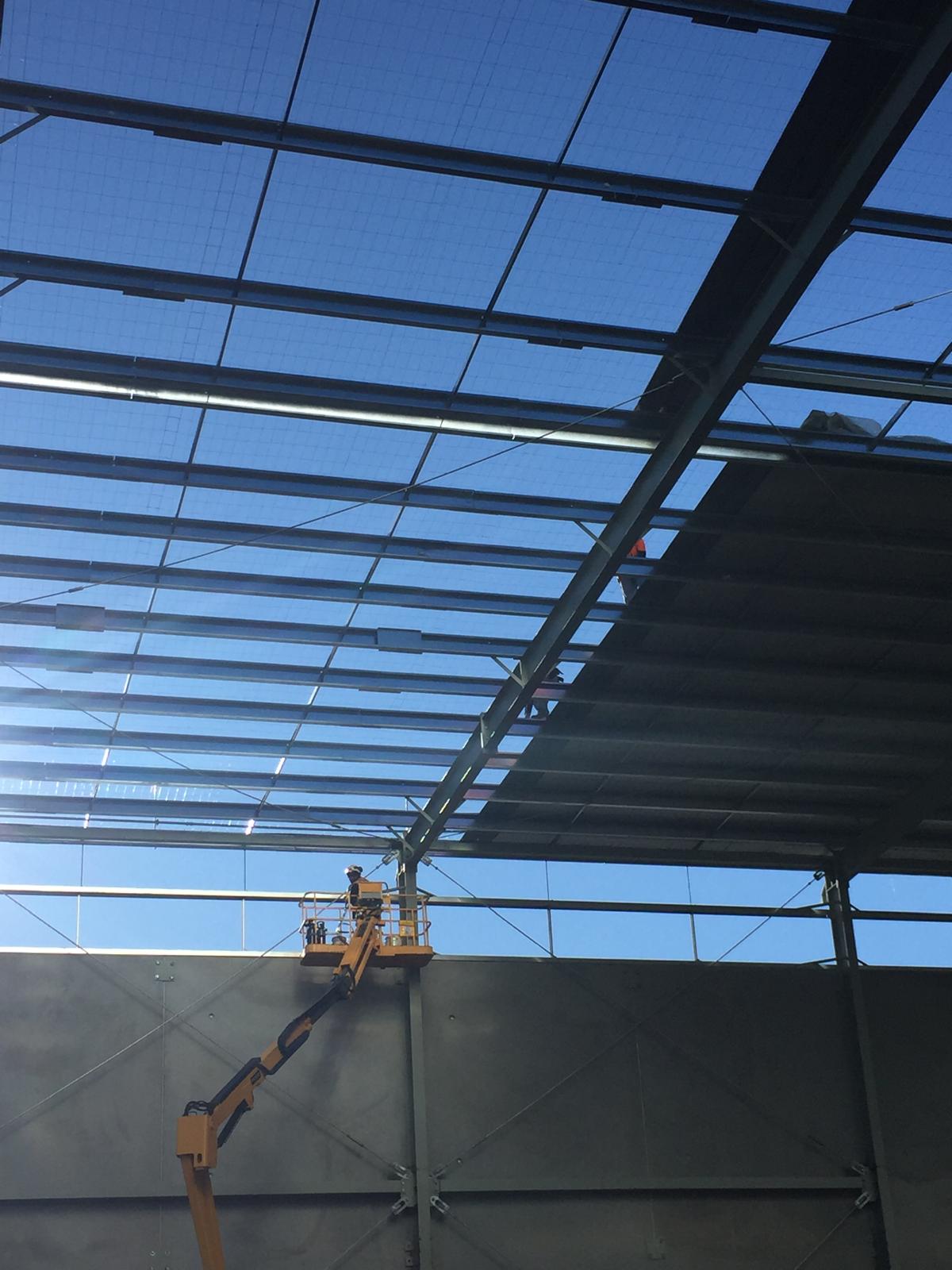
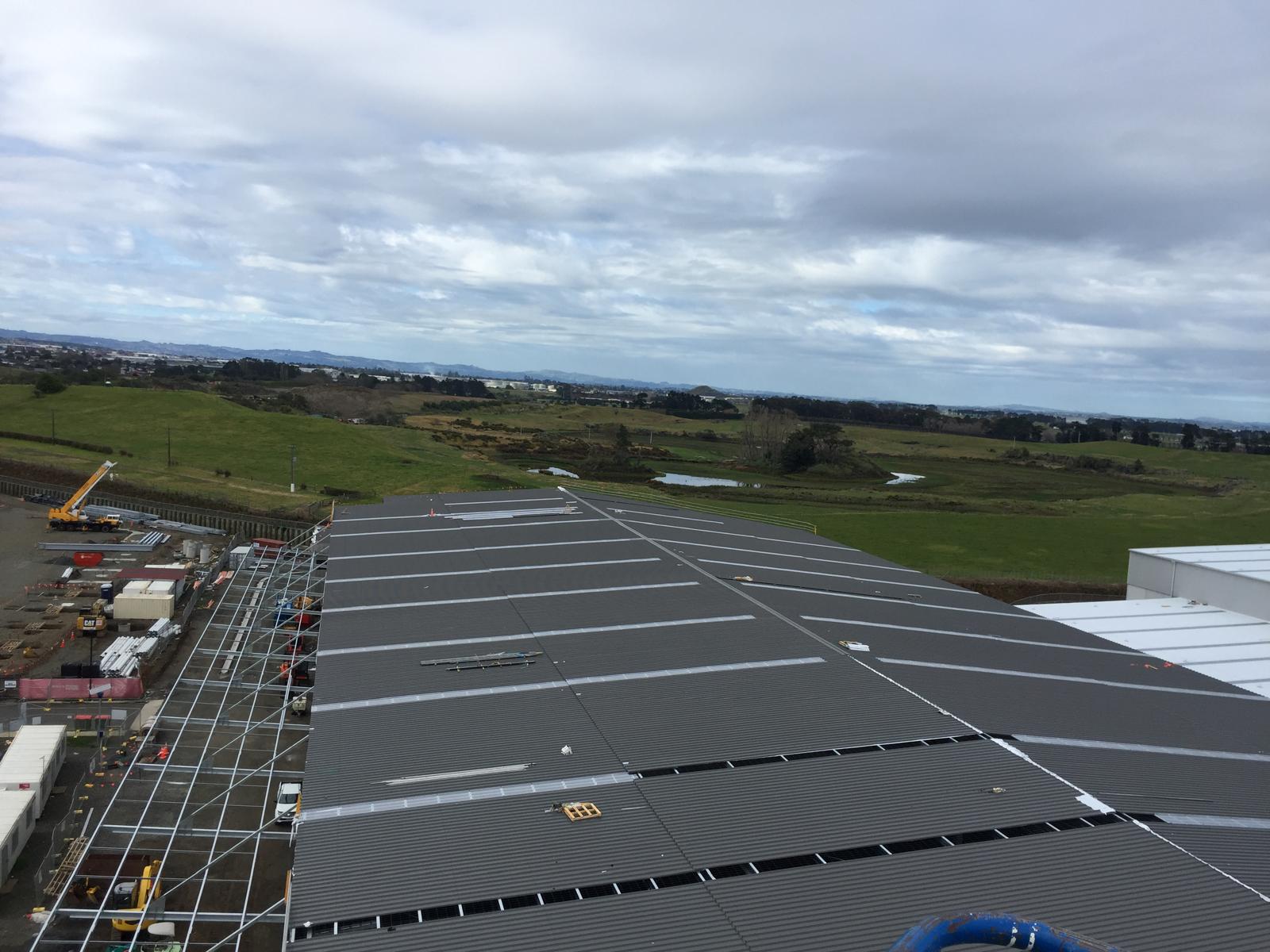
Real photography from YAHD commercial and industrial sites: steel frames and purlins, elevated access, cladding runs and completed long-run roofs.
Planning the job
Access, planning and sequencing come first.
On a large roof, the order of work decides how weathertight the building stays and how smoothly the programme runs.
- Access and edge protection agreed before work starts
- Roof opened in sections that can be closed the same day
- Material deliveries and crane lifts timed around the site
- Occupants and tenants told what's happening and when
Working at height
Safe, organised sites produce better roofs.
Scaffold, edge protection and elevated work platforms are set up so the crew can focus on detailing, not on getting around.
The details that matter
Weatherproofing around penetrations and edges.
Most commercial leaks start at a junction, not in the middle of a sheet.
- Flashings formed to suit each penetration and upstand
- Gutters and outlets sized and set to drain properly
- Parapets, cappings and wall junctions sealed and lapped correctly
- Roofing and cladding coordinated so the envelope works as one system
Quality checks
Checked as we go, not just at the end.
- Substrate and purlins inspected once exposed
- Fixings and laps checked on every run
- Flashings and penetrations reviewed before sign-off
- Site left clean with offcuts and swarf removed
Commercial FAQ
Questions commercial clients ask.
Reduce the unknown
Get the condition, scope and next steps clear.
We help building owners understand the roofing system, identify priorities and plan the work with fewer surprises.
- Clear roof-condition findings
- Practical scope and priorities
- Planning around building operations